Tools
Discernment Resources
Books, Websites, Apps, Podcasts, and more to come…
Below are books we have read and found helpful, along with apps, websites, podcasts, songs, and worship resources that have supported our walk with Christ. These are tools we return to as we practice discernment, grow in faith, and follow Jesus more faithfully. While it is not comprehensive, we will continue adding to this list as we come across resources worth sharing.
Books
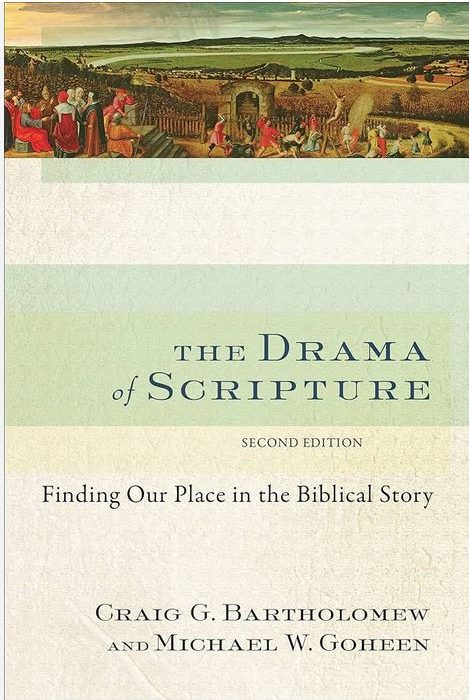
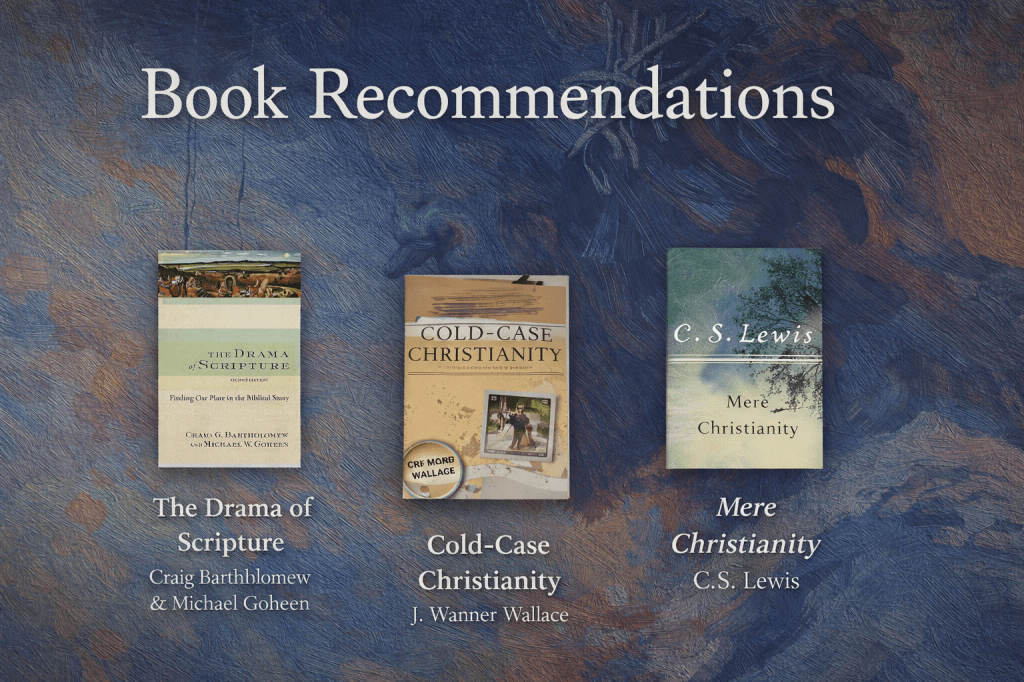
This book gives a great overview of how the Bible is not a collection of independent stories, but a cohesive story. It helped me see the Bible not as 66 independent books, but as 66 windows through which we see the same God from different perspectives. It also reminded me of Chris Harrison’s visualization, pictured below, showing the Bible’s 63,779 cross-references. This book really helped me understand how to interpret what I was reading and how to put individual passages into their proper context.

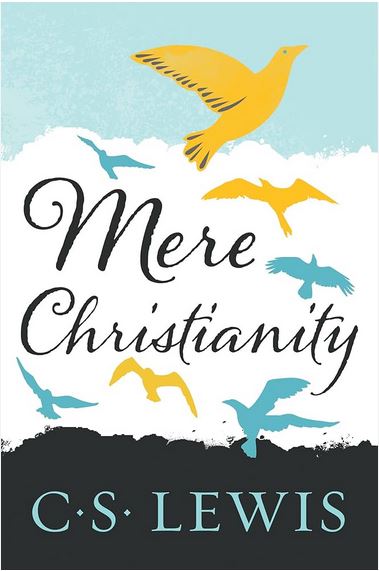
This book helped me see Christianity less as a collection of arguments to win and more as a clear, shared moral and spiritual reality that we all live inside, whether we recognize it or not. Lewis has a rare ability to explain deep theological ideas in relatively plain language, without turning them into slogans. What struck me most is how gently but firmly he leads the reader away from vague spirituality and toward the real person of Christ, and the cost of actually following Him.
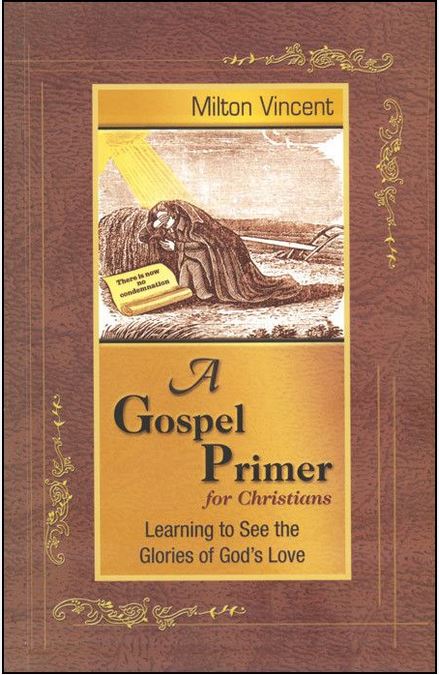
This book helped me slow down and return to what I dont even realize I often walk away from: the gospel itself. Not just as an entry point into the faith, but as the daily ground I stand on as a believer. Vincent is clear, structured, and unapologetically Christ-centered. He shows how easily Christians begin to live as though the gospel were something we graduated from rather than something we still need every day. I appreciate how practical and inward-facing this book is. It does not aim at culture, arguments, or public witness first. It aims at the heart, repentance, humility, and obedience. This is a grounding book for Christians who want their lives to be shaped by the finished work of Christ, not merely informed by it.
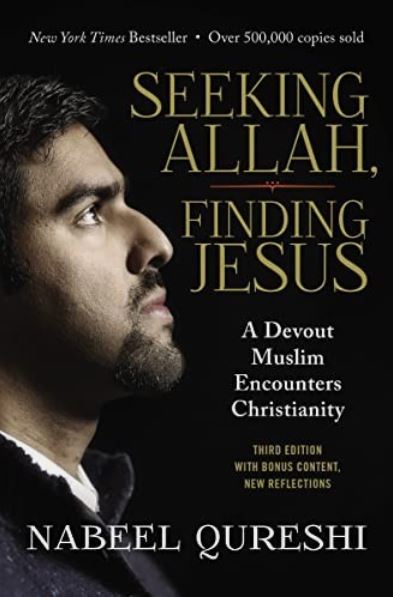
This book helped me remember that conversion is rarely an argument that gets won. It is a life that gets reordered under truth. Qureshi does not treat Islam as a straw man, and he does not treat Christianity as a cultural upgrade. He takes both seriously, and that is what makes his story credible. What stayed with me most is the cost. Following Christ for him was not emotional relief or intellectual closure. It was loss, family strain, and real obedience. The book exposes how cheap our talk about “seeking truth” can become when we are not willing to follow it where it actually leads. This is not a book about defeating another religion. It is a sober, honest witness to what happens when Jesus becomes Lord rather than merely the better explanation.
This book helped me take seriously just how little time we actually have to shape the hearts of our children, and how much of that shaping happens long before we think it does. Swain is not trying to give parents a program or a shortcut. He brings focus to presence, consistency, and daily faithfulness inside the home. This is not a fear-driven book about culture, schools, or losing the next generation. It is a responsibility-driven book about discipleship. It reinforces the Biblical truth that parents, not institutions and not churches, are the primary spiritual leaders in a child’s life. For anyone who believes that forming character and love for God matters more than performance, achievement, or protection from discomfort, this is a sober and timely reminder of where that work really begins.
This book helped me think more carefully about hope without looking away from Scripture. Burke takes near-death experiences seriously, but he does not treat them as authority. He consistently brings the reader back to what the Bible actually says about eternity, resurrection, and the promises of God. The stories are not used to replace doctrine or to create a new spiritual framework. They are used as signposts that point back to the clearer and firmer witness of God’s Word. This is a hopeful book, but it is not sentimental. It reminds us that the Christian hope is not built on experiences, but on the character and promises of God.
Faith in Jesus is not walking away from reason, but moving toward truth that can actually be examined. Strobel approaches Christianity the way a journalist should: by asking hard questions about history, evidence, and credibility, not by assuming the answers. This book does not try to make belief feel safe or easy. It clears away many of the intellectual excuses people use to avoid Jesus, but it does not remove the personal cost of following Him. In that way, it supports something I care deeply about: evidence can open the door, but obedience is what ultimately reveals Christ as our Lord.
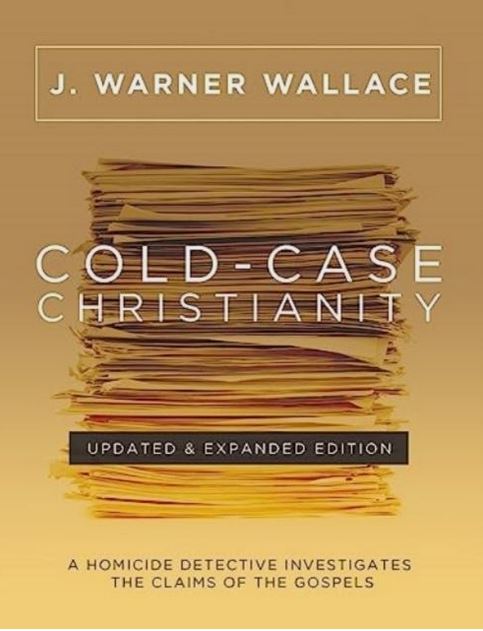
This book helps us understand that Christian faith is not built on blind belief, but on evidence that can actually be examined and tested. J. Warner Wallace walks through the case for Christianity the way a detective would approach a real investigation, asking hard questions and following the facts wherever they lead. It is especially helpful for learning how to think more clearly about why we believe what we believe, and for being better prepared to have honest conversations with people who are skeptical of faith.
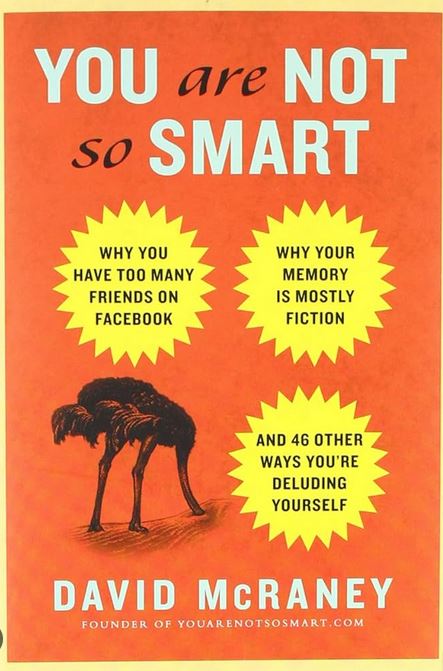
Although this is a secular book, it provides valuable insight into not just what, but how we think. McRaney walks through many ways our minds protect our identity, our opinions, and our sense of being right, often at the expense of truth. Very little of our day-to-day thinking is as neutral or objective as we would like to believe, unless we have examined how we think. We are far more driven by emotion, social pressure, and self-preservation than we realize. Reading this alongside Scripture reinforces something the Bible has already told us for a long time. We do not suffer from a lack of information. The problem is a heart that resists correction. This book does not point to repentance, humility before God, or submission to truth as something revealed. But it unintentionally exposes why discernment is so difficult in the first place. We are very skilled at defending ourselves, even when we are wrong.
Websites and Apps
https://www.bible.com/bible/111/JHN.1.NIV
Bible.com (also a downloadable app) is a simple, reliable way to stay in God’s Word every day. The reading plans, translations, and audio options make Scripture accessible without turning it into content to scroll. It is a practical tool for building a steady habit of reading, listening, and returning to the Bible itself.

Logos is a serious study tool for anyone who wants to go deeper in the Word. It makes Scripture, original-language tools, and trusted commentaries searchable and connected, without replacing the authority of the Bible itself. Access is free, but there are subscription and purchase options.

Lectio 365 is a Scripture-centered way to begin and end the day with God. It keeps the focus on the Word and helps create space for repentance, reflection, and prayer without emotional hype. It is a simple and faithful rhythm for daily attentiveness to Christ.
Podcasts

https://www.youtube.com/wisedisciple
My wife introduced me to this podcast, and it has quickly become one I trust. Nate keeps the focus where it belongs, on Scripture, repentance, and everyday faithfulness. It is entertaining and genuinely enlightening, with far more substance than flash.

https://bibleinayear.fireside.fm/about
Father Mike Schmitz is an American Catholic priest, and this podcast simply reads the Bible aloud with you each day so that you move through the entire Scriptures in 365 days. The real gift, though, is the brief reflection after each reading. His insights consistently help connect the passages to the larger story of redemption and to everyday faithfulness. A genuinely helpful and highly recommended resource for staying rooted in God’s Word.
Movies and TV

This series helps us picture the humanity of the people around Jesus without trying to replace the authority of Scripture. It is most valuable when it sends you back to the Gospels with fresh attention, not when it becomes the story itself. Used carefully, it can be a helpful companion to reading the Bible, not a substitute for it. This series has undeniably guided many people to the Word of God and can be a meaningful entry point. Currently available on The Chosen app and website, as well as Amazon Prime Video.
 CarlZunker.com